Loading page
Psychology
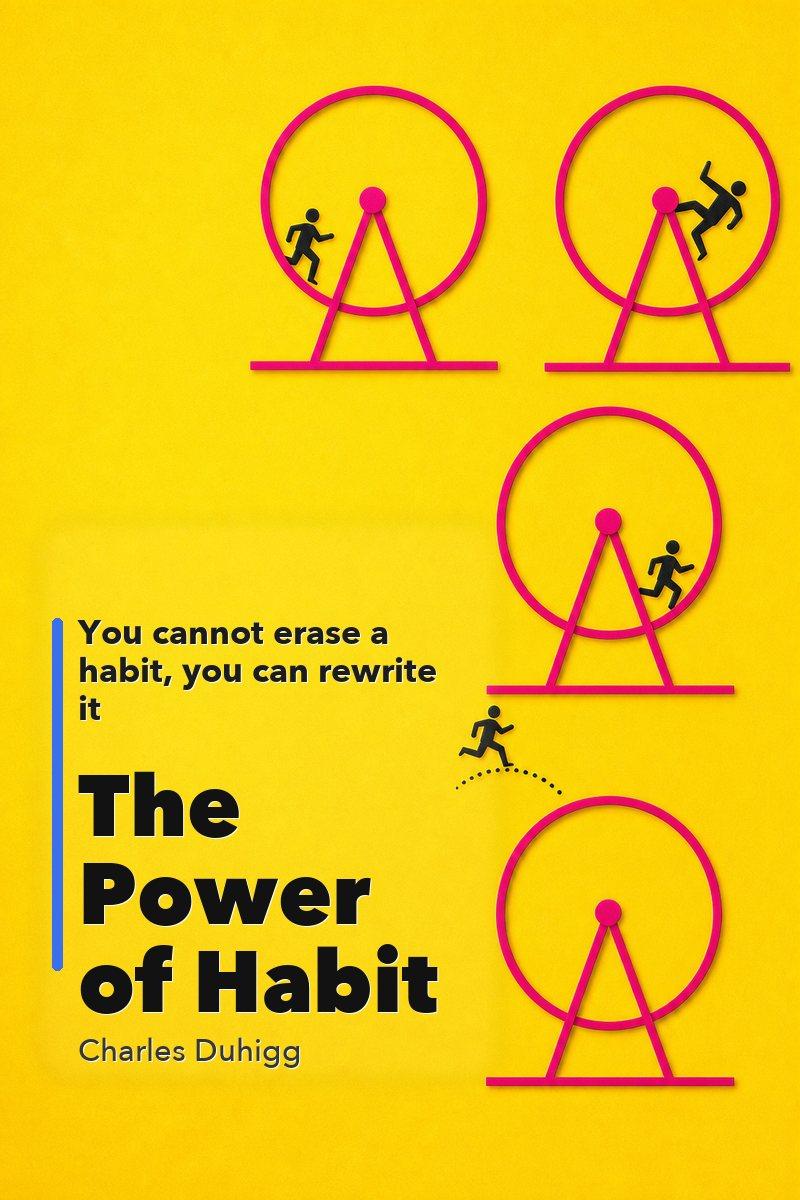
The Power of Habit
Charles Duhigg
The Power of Habit
19 min
3 ideas from this book
What can you do instead of a mid-day snack?
When you reach for a snack in the middle of the day, you can ask yourself whether you're hungry or just want a break. If the answer leans toward the break, a short walk can give you the same reward.
Try today: Take a five-minute walk the next time you snack out of boredom.
A written plan can nearly double how fast you get moving.
In Scotland, older patients who've had hip or knee surgery are given a booklet with a blank page for each week. Those who write down their plans start walking almost twice as fast as those who don't.
Try today: Block a time and place on your calendar for one task.
How do you find out what triggers a habit?
This week, when a habit you want to drop pulls at you, note five things: place, time, mood, company, and what you'd just done. Three days later, look at the list. The line that repeats every time will show you the cue.
Try today: Pick one habit to study this week and tell a friend you're tracking it.
This book also has a Turkish summary
Open the Turkish book-summary page for Alışkanlıkların Gücü and explore the same core ideas in another language.
A passage from the summary
A summary of Charles Duhigg's book on the science of habits. It explains the habit loop (cue, routine, reward) and the craving that drives it through the book's own cases: Eugene Pauly, who learned to find his way home without memory; Pepsodent's tingle; Mandy, who stopped biting her nails; Paul O'Neill's safety chain at Alcoa; Starbucks training that turns willpower into habit; and the Montgomery bus boycott. It also notes that the willpower-muscle experiment later failed to replicate.
The Power of Habit book summary
Tellora's summary of The Power of Habit is editorially prepared to help you explore the core ideas, notable insights, and practical takeaways from Charles Duhigg in about 19 minutes. Read this Psychology summary here, then listen to the full audio edition in the app.